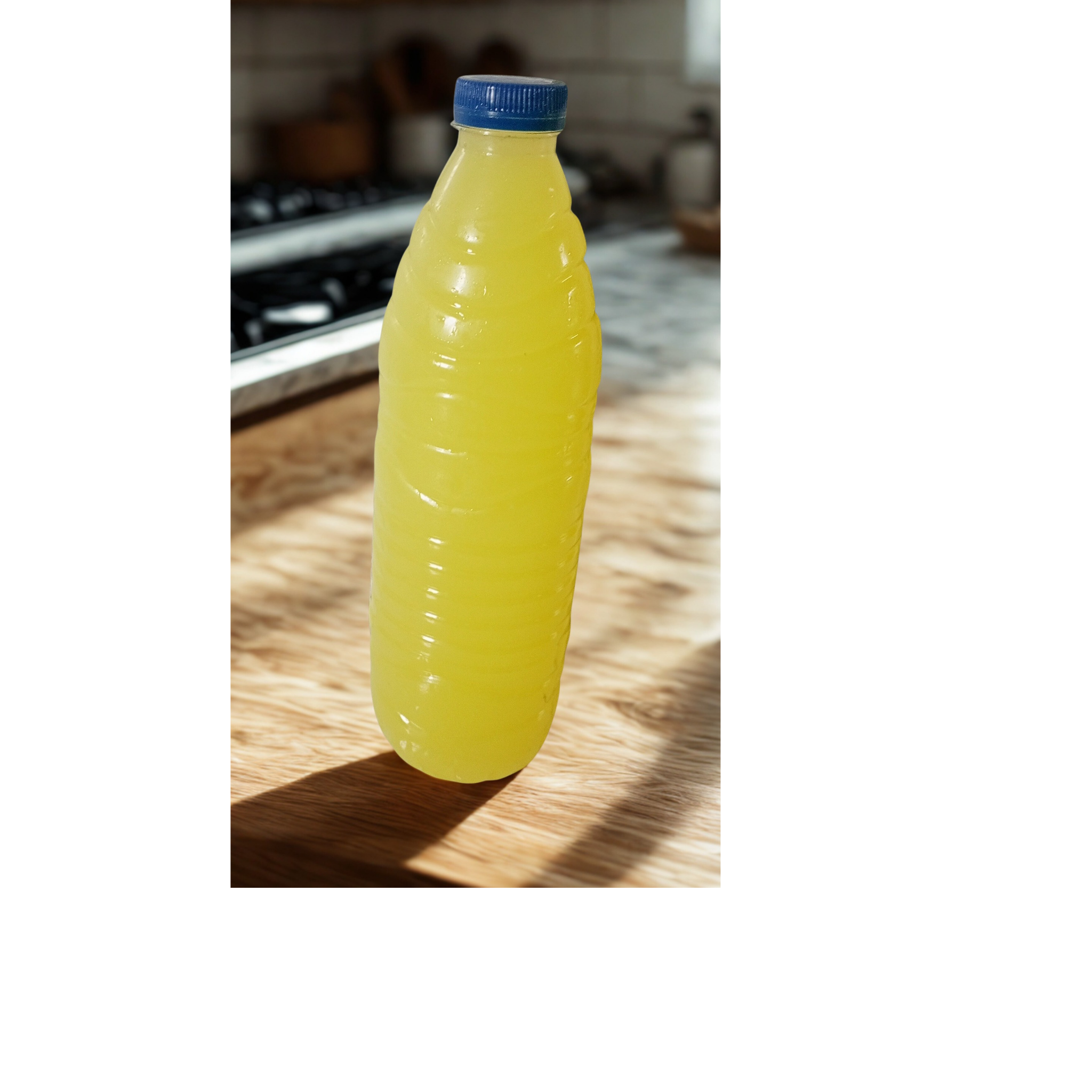
If you make yogurt at home, you’ve probably noticed a pale yellow liquid separating from the thick yogurt. Many people assume it’s something to discard. It’s not.
The first time I made yogurt at home, I was so proud of myself until I noticed a pale yellowish liquid sitting on top of it. I remember thinking, “Did I do something wrong?” Without hesitation, I poured it away. It wasn’t until much later, after a few more trials, that I realized that liquid had a name,
That liquid is whey — a natural byproduct of milk fermentation — and it can be used in several practical ways in the kitchen. Instead of pouring it away, here’s what you need to know about whey, how to store it safely, and how to use it effectively.
What Is Whey?
Whey is the liquid that separates from curds during the fermentation process. When milk turns into yogurt, it splits into:
Solid portion (curds)
Liquid portion (whey)
This separation is completely normal. In fact, the more you strain yogurt to make it thicker (like Greek-style yogurt), the more whey you’ll collect.
Is Whey Safe to Use?
Yes — if your yogurt was prepared properly. Fresh whey should:
Smell mildly sour (not unpleasant)
Be pale yellow or slightly cloudy
Have no mold or unusual odor
If it smells spoiled or looks discolored, discard it. When stored in a clean, airtight container in the refrigerator, whey typically lasts up to 5–7 days.
Nutritional Value of Whey
Whey contains:
Small amounts of protein
Calcium
Potassium
Lactose
Lactic acid
Beneficial bacteria (if from live-culture yogurt)
Although it is not as protein-dense as commercial whey protein powder, it still contributes nutrients and reduces food waste.
If you’re new to making yogurt at home, you might find it helpful to start with my step-by-step guide on how to make thick Greek yogurt at home. That process naturally produces whey, which you can save and use in the recipes and kitchen tips shared in this post.
Practical Ways to Use Whey in Cooking
Below are tested, simple uses that work well in everyday meals.
1. Use Whey as a Meat Tenderizer
The natural acidity in whey helps soften meat fibers.
How to use:
- Use it to marinate chicken, beef, or fish along with your favorite spices. It softens the meat and adds a subtle tang that enhances the flavor.
- Add some tablespoonfuls of whey directly into the cooking pot of meat.
2. Replace Water in Baking
Whey can replace water or part of the milk in recipes such as:
Bread
Pancakes
Doughnuts
Simple cakes
It improves texture and adds mild tanginess.
3. Cook Beans or Grains
Legumes especially beans is a part of the staple food here in Nigeria but the long cooking time it takes makes cooking it seems like a hassle. Using whey when boiling beans tenderizes the protein and reduces cooking almost by half plus it’s an easy way to sneak in more nutrients.
4. Add to Smoothies
For a light protein boost, add 2–3 tablespoons of whey to fruit smoothies. It blends easily and supports digestion due to its probiotic content.
5. Use in Light Sauces and Soups
Whey can replace part of the liquid in light soups and sauces. Add gradually and taste as you cook to control acidity.
Common Mistakes When Using Whey
If you’re new to using whey from yogurt, there are a few small mistakes to avoid.
Using whey from flavored yogurt
Whey from sweetened or flavored yogurt often contains sugar and additives that may affect the taste of your recipe. Plain yogurt whey works best.
Adding too much whey to recipes
Whey has a mild tangy flavor. Adding too much can change the taste of delicate dishes. Start with small amounts and adjust gradually.
Storing whey for too long
Fresh whey keeps well in the refrigerator for about a week. If it develops a strong smell or unusual color, it’s best to discard it.
Can Whey Replace Buttermilk?
Yes, whey can work as a substitute for buttermilk in many recipes.
Both whey and buttermilk contain natural lactic acid, which helps soften dough and improve texture in baked goods. This makes whey useful for pancakes, bread, and quick breads.
If a recipe calls for buttermilk, you can usually replace it with the same amount of whey.
How to Store Whey Properly
Pour into a clean glass jar, seal tightly and refrigerate immediately.
For longer storage, freeze in small portions using ice cube trays.
Avoid storing at room temperature.
Common Questions
Can I drink whey directly?
Yes, but the taste is mildly sour. It’s usually better mixed into other foods.
Why is my whey cloudy?
Cloudy whey is common with yogurt. It does not indicate spoilage.
Can I use whey from flavored yogurt?
No. Only use whey from plain, unsweetened yogurt.
Conclusion
It’s funny how the things we almost throw away often turn out to be the most useful. Whey has become one of those quiet gems in my kitchen — simple, nourishing, and surprisingly versatile.
Reducing kitchen waste is both economical and practical. Whey is not a waste product — it is a functional cooking ingredient that can improve texture, tenderness, and nutritional value in simple meals.
So next time you make yogurt, don’t pour that liquid down the drain. Save it, use it, and let it add a touch of goodness to your meals in unexpected ways.
Related Recipes
If you enjoy learning practical kitchen tips, you might also like these recipes:


Leave a Reply to How to Make Homemade Greek Yogurt – The Curious Kitchen — Homemade Food Recipes, Experiments & StoriesCancel reply