If you cook traditional Igbo dishes like Abacha, Ugba or Nkwobi, you have probably heard of akanwu — also called potash. Many people use it regularly, while others avoid it because they are unsure if it is safe. I used to feel the same way. The first time I wanted to prepare Abacha at home, I was worried about adding potash to my food, especially when cooking for children. So I started learning what akanwu really does in cooking and whether it is truly necessary.
In this post, I’ll explain what akanwu is, why it is used in Nigerian cooking, whether it is harmful, and the simple ways you can cook without it if you prefer.
What Is Akanwu?
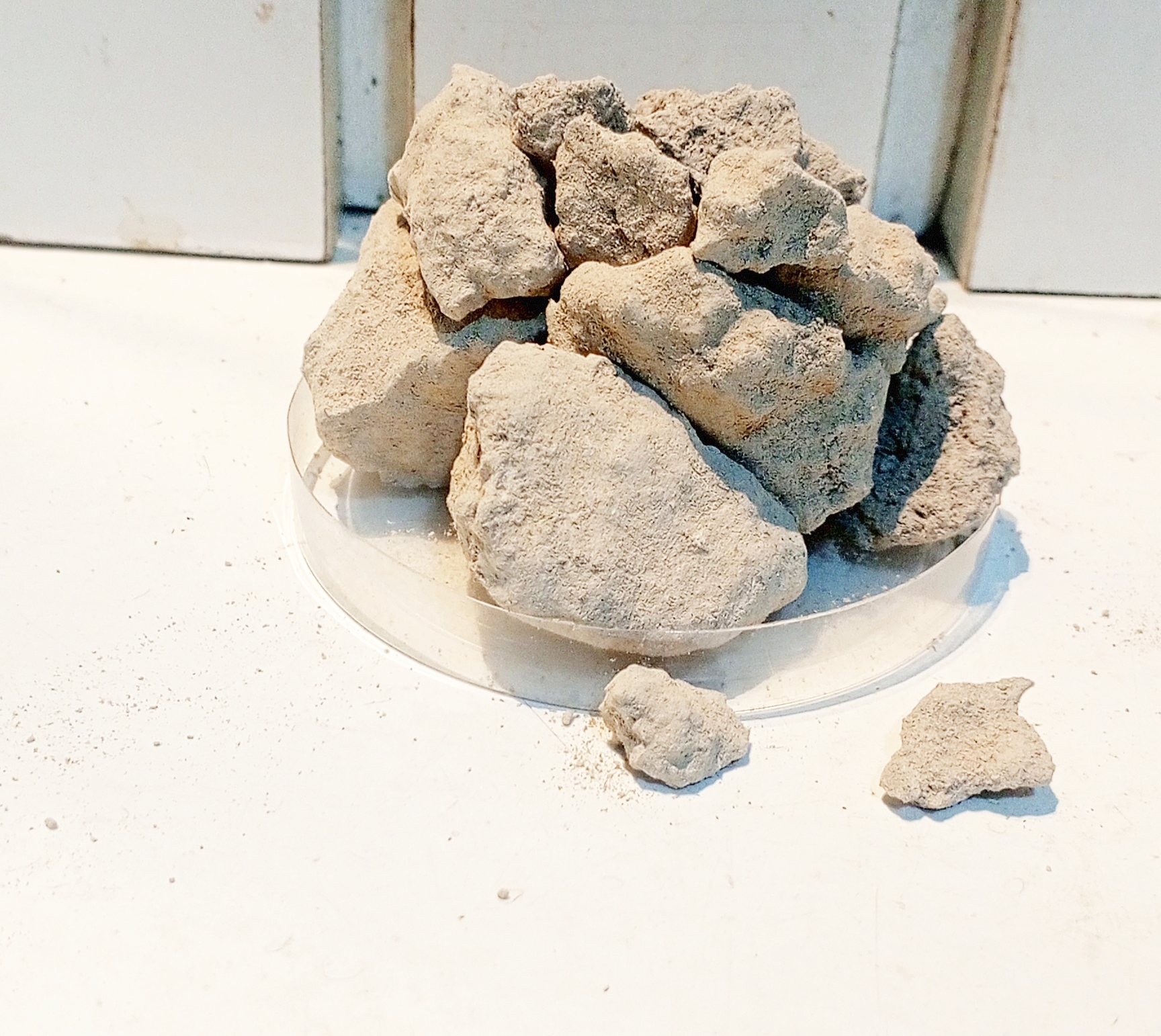
Akanwu is a natural alkaline salt that is mined from natural salt lakes and dry lakebed and is widely used in Igbo, Yoruba, and Hausa cuisine as a traditional tenderizer and thickener. It is commonly sold in Nigerian markets in small solid lumps or powder form and is known in English as potash or food-grade alkaline salt.
In cooking, akanwu is not used for taste. Instead, it acts as a food softener and emulsifier. When dissolved in a little water and added to palm oil, it changes the texture and color of the oil, turning it from thick red oil into a smooth yellow sauce. This is why dishes like Abacha (African salad), Ugba and Nkwobi have their characteristic bright yellow appearance and silky texture.
The Culinary Magic (Why Do People Use Potash in Cooking?)
To understand why Akanwu (Potash) is so vital in West African cooking, especially Nigeria you have to look at it as more than just a seasoning. It is a functional ingredient, that is, it’s used for the chemical changes it triggers in food rather than just for its salty taste.
Here is a detailed breakdown of the four main reasons it’s used:
As a Powerful Emulsifier (The “Thickener”)
This is perhaps its most famous use. In dishes like Abacha (African Salad), Ugba, or Nkwobi, you need to mix palm oil with water/stock. Naturally, oil and water don’t mix, but adding a small amount of Akanwu solution acts as a bridge.
- The Result: It turns the red palm oil into a thick, curdled, yellowish sauce called Ncha.
- The Texture: Without Akanwu, these dishes would be oily and separated; with it, they become creamy and rich.
2. As a Food Tenderizer (The “Time Saver”)
Akanwu is highly alkaline. This alkalinity helps break down the pectin and tough fibers in food much faster than boiling water alone.
- Beans & Pulses: It significantly reduces the cooking time for brown beans or tough legumes.
- Tough Meats: It is often added to the pot when boiling “hard” meats like cow foot, tripe (shaki), or wild game to soften the connective tissues quickly.
3. Texture Modification (The “Crunch Factor”)
Akanwu changes the physical structure of certain vegetables and starches.
- Okra & Ewedu: It is used to increase the “draw” (viscosity) of slimy soups. It makes the mucilage in okra more elastic and slippery.
- Vegetable Color: It helps green vegetables (like garden egg leaves or okra) retain their bright green chlorophyll, preventing them from turning a dull, brownish color during cooking.
- Kpomo: It is sometimes used to make cow skin (kpomo) swell up and become softer and “bouncier.”
4. Reducing Acidity and Gas
There is a traditional belief (backed by some chemistry) that Akanwu helps neutralize the elements in certain foods that cause bloating.
- Antacid Properties: Because it is alkaline, it can neutralize the acidity in some fermented foods or heavy sauces.
- Digestibility: By breaking down the complex sugars in beans (oligosaccharides) more thoroughly during the boiling process, it is believed to reduce the “gas” or flatulence often associated with eating beans.
- Dissolve a small piece in a little bit of water.
- Filter out the sand or impurities that settle at the bottom.
- Use only the clear liquid at the top
Is Akanwu Safe to Eat? The Facts You Need to Know
The short answer is yes, but with major “ifs.” While it is a traditional staple, it is not something to be consumed carelessly. Here is the breakdown of the safety profile of Potash:
1. The Kidney Connection
The biggest concern regarding Akanwu is its effect on the kidneys and liver. Because it is a crude mineral salt (high in sodium and potassium), the body has to work hard to filter it out.
The Risk: Studies have suggested that excessive or long-term consumption can lead to renal (kidney) stress or damage.
Recommendation: People with pre-existing kidney issues or high blood pressure should avoid it entirely.
2. Sodium Content & Blood Pressure
Akanwu is high in sodium. Just like table salt, too much of it can lead to water retention and an increase in blood pressure. If you are cooking with Akanwu, you should usually reduce the amount of regular salt you add to the pot to balance the total sodium levels.
3. Pregnancy Concerns
In many Nigerian cultures, there are traditional warnings about pregnant women consuming too much Akanwu.
Scientific View: Some studies suggest that high intake can trigger uterine contractions or affect the pH balance of the body. Most nutritionists recommend that pregnant and breastfeeding women limit or avoid it to stay on the safe side.
4. Impurities and Sourcing
Akanwu is a “crude” salt, meaning it is often mined from the earth and sold in open markets. This means it can contain:
Sand and Grit: Which can be harmful to teeth and digestion.
Heavy Metals: Depending on where it was mined, it may contain traces of lead or aluminum.
The Fix: Always dissolve it in water first and only use the clear liquid at the top. Never grind the whole rock into your food!
How to Use It Safely
If you choose to use Akanwu for that authentic flavor and texture, follow these “Golden Rules”:
Use Tiny Quantities: You only need a small piece (the size of a pea) for a large pot of beans.
The “Soak and Strain” Method: Never put the solid rock directly into the food. Dissolve it in water, let the sediment settle, and pour only the water into your cooking.
Don’t Use It Daily: Treat it as an occasional ingredient for special traditional dishes (like Nkwobi or Abacha), rather than an everyday additive.
Substitutions for Akanwu (Potash)
If you are looking to avoid potash altogether—whether for health reasons or because you can’t find it in your local shop—you don’t have to sacrifice your favorite meals. Below are some very safe substitutes;
Baking soda: If you are health-conscious, Baking Soda (Sodium Bicarbonate) is a refined, food-grade alternative that achieves similar results with fewer impurities.
Alternative cooking method: You can still enjoy your Abacha using my recipe “How to make Abacha without potash” for a delicious and tasty Abacha( could even become your favorite)
Natural Tenderizer: Instead of using a chemical alkaline like potash to soften tough beans or meats, try using Whey (the liquid left over from strained yogurt or curdled milk). Whey is rich in enzymes and acids that naturally break down tough fibers over time without the harshness of mineral salts. It’s a game-changer for anyone wanting a gut-friendly alternative!
The Verdict
Akanwu is generally safe for healthy adults when used occasionally and in very small amounts. However, it is not a “health food.” Think of it like a heavy spice or a chemical leavening agent—a little goes a long way, and too much can be a problem.


Leave a Reply